
 English
 18915600208
+
微信号:18915600208

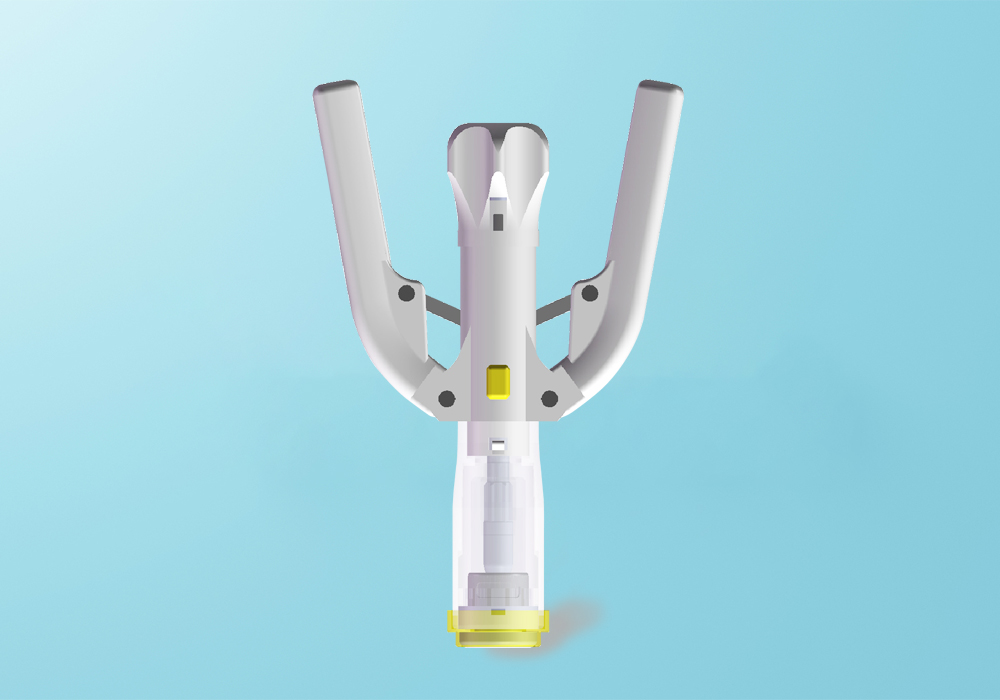
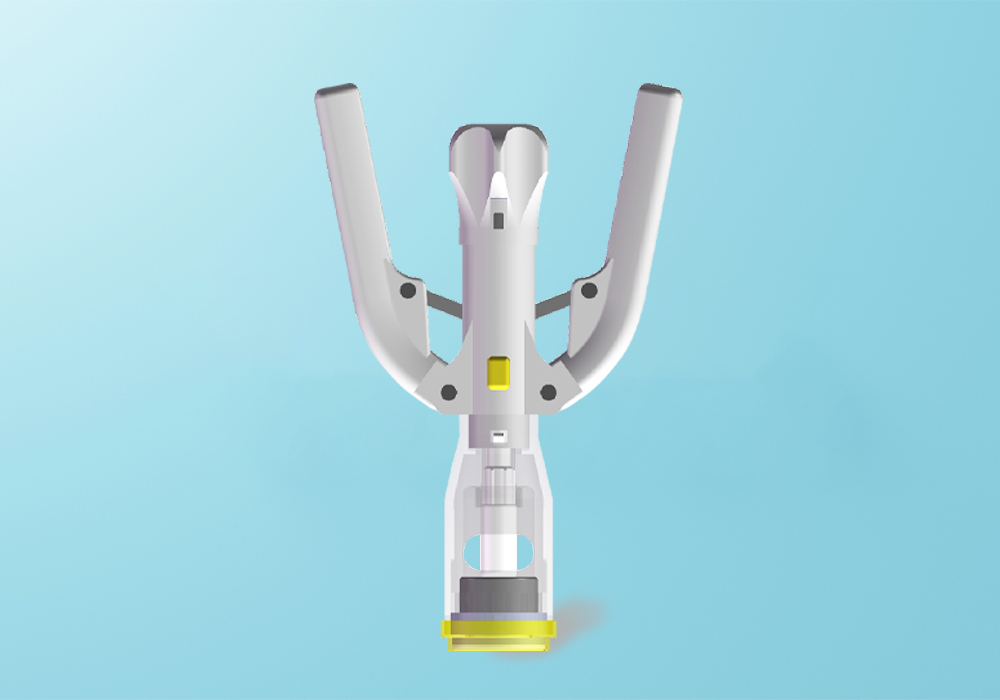
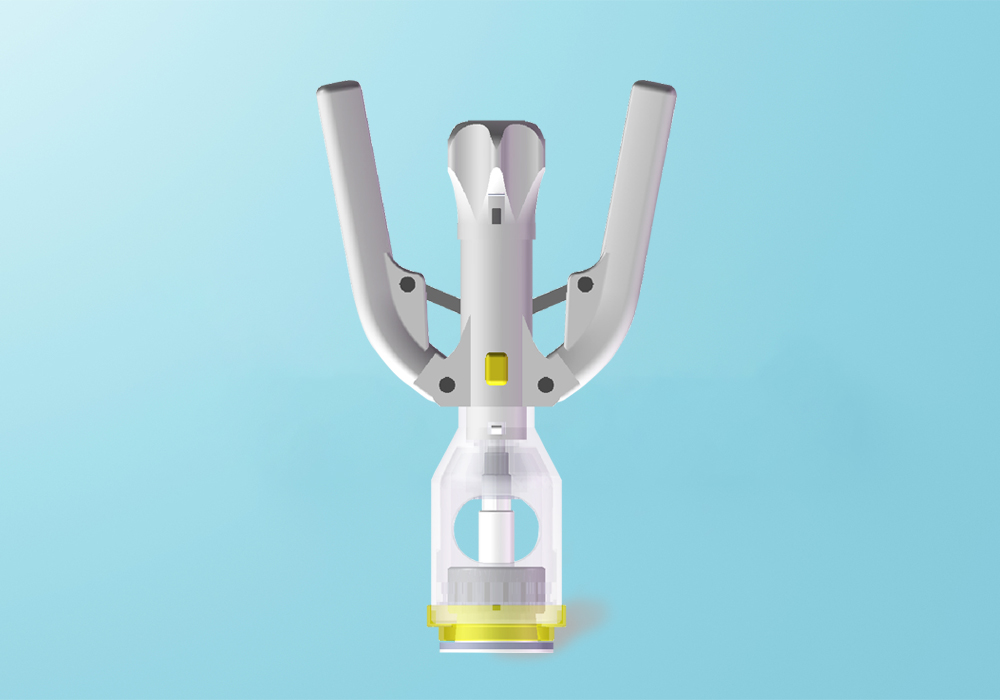
What are the advantages of circumcision stapler compared to traditional surgery
source:www.villmen.com | Release time:2026年04月03日In terms of surgical efficiency, traditional surgery requires step-by-step cutting, hemostasis, and suturing, which takes a long time. However, staplers can complete circular cutting and titanium nail anastomosis in one go, greatly reducing the surgical time, especially suitable for children and patients with low surgical tolerance, reducing intraoperative waiting and discomfort. In terms of bleeding control, traditional surgery relies on manual ligation for hemostasis, resulting in relatively large amounts of bleeding. The stapler achieves immediate hemostasis by synchronously closing the wound, resulting in minimal intraoperative bleeding and further improving surgical safety.
In terms of incision and aesthetics, traditional surgery relies on manual operation, and the incision is prone to irregularities, asymmetry, and other situations. However, staplers use standardized circular cutting, which makes the incision smooth and neat, and the postoperative healing appearance more natural, resulting in higher patient satisfaction. In the postoperative recovery stage, traditional surgery has a larger wound surface, which is prone to obvious edema and persistent pain, and the risk of infection is relatively high. The stapler has smaller trauma, lighter edema and pain, faster wound closure, and can effectively reduce the probability of infection. At the same time, traditional surgery requires suture removal after surgery, which increases secondary pain and the number of follow-up visits. The titanium nail used in the stapler can detach on its own after surgery without suture removal, simplifying the postoperative nursing process.
In addition, traditional surgical outcomes are highly dependent on the experience of doctors, with varying levels of quality. The standardized operation process of staplers can stabilize surgical outcomes, reduce the occurrence of complications, and accelerate postoperative recovery for patients, allowing them to return to normal life and work more quickly.
prev:
What are the key postoperative nursing points for…
next:
What issues should be noted when using a disposab…
【Related articles】

 Suzhou Weimeng Medical Equipment Co., Ltd
-
 Our service hotline:0512-51316666,18915600208
-
 Company address: Building 7, A3, No. 2 Jianye Road, Changfu Street, Changshu City, Jiangsu Province
-
 Contact email: villmen@163.com

 WeChat
 Contact
 Telephone