
 English
 18915600208
+
微信号:18915600208


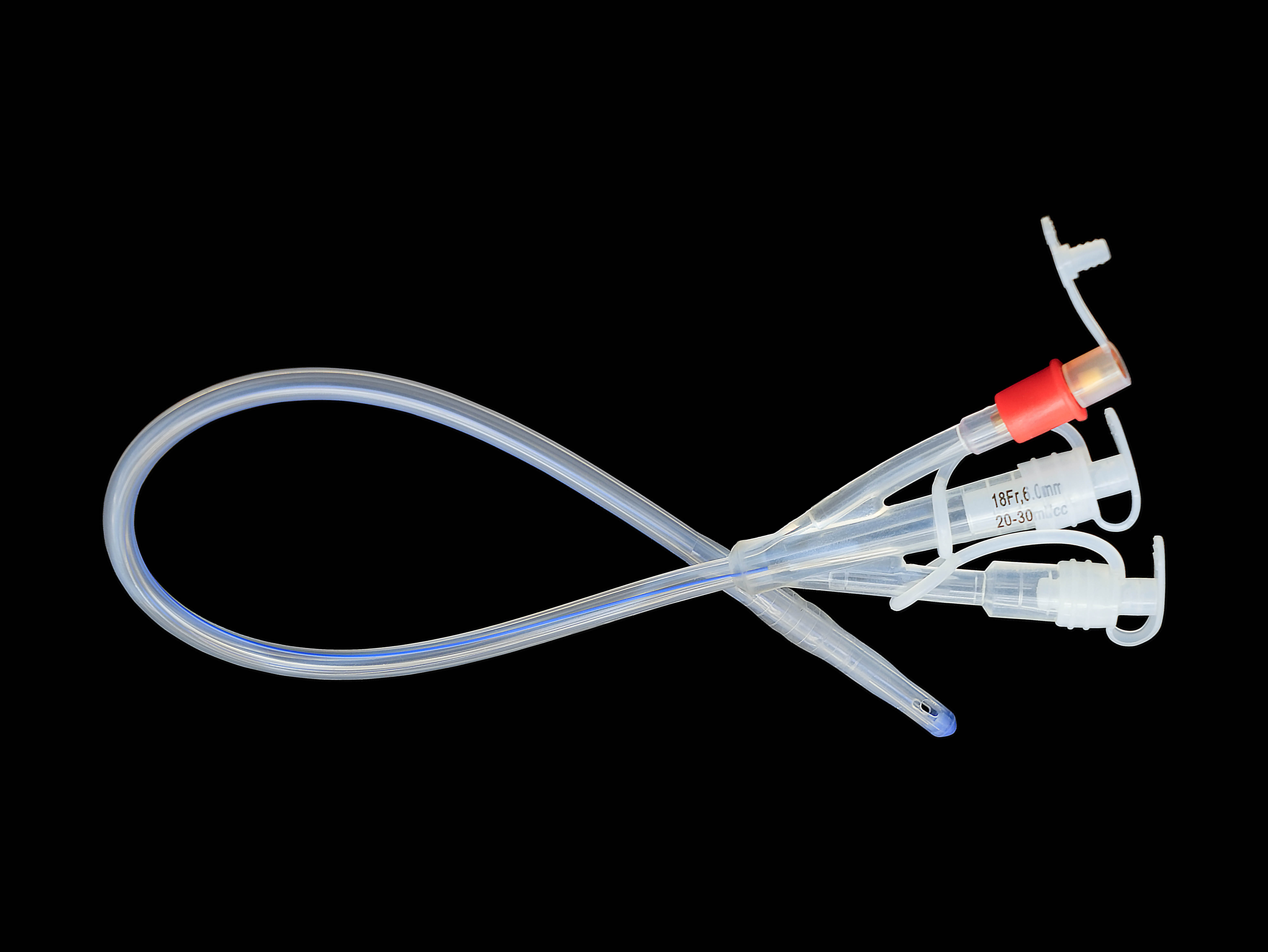
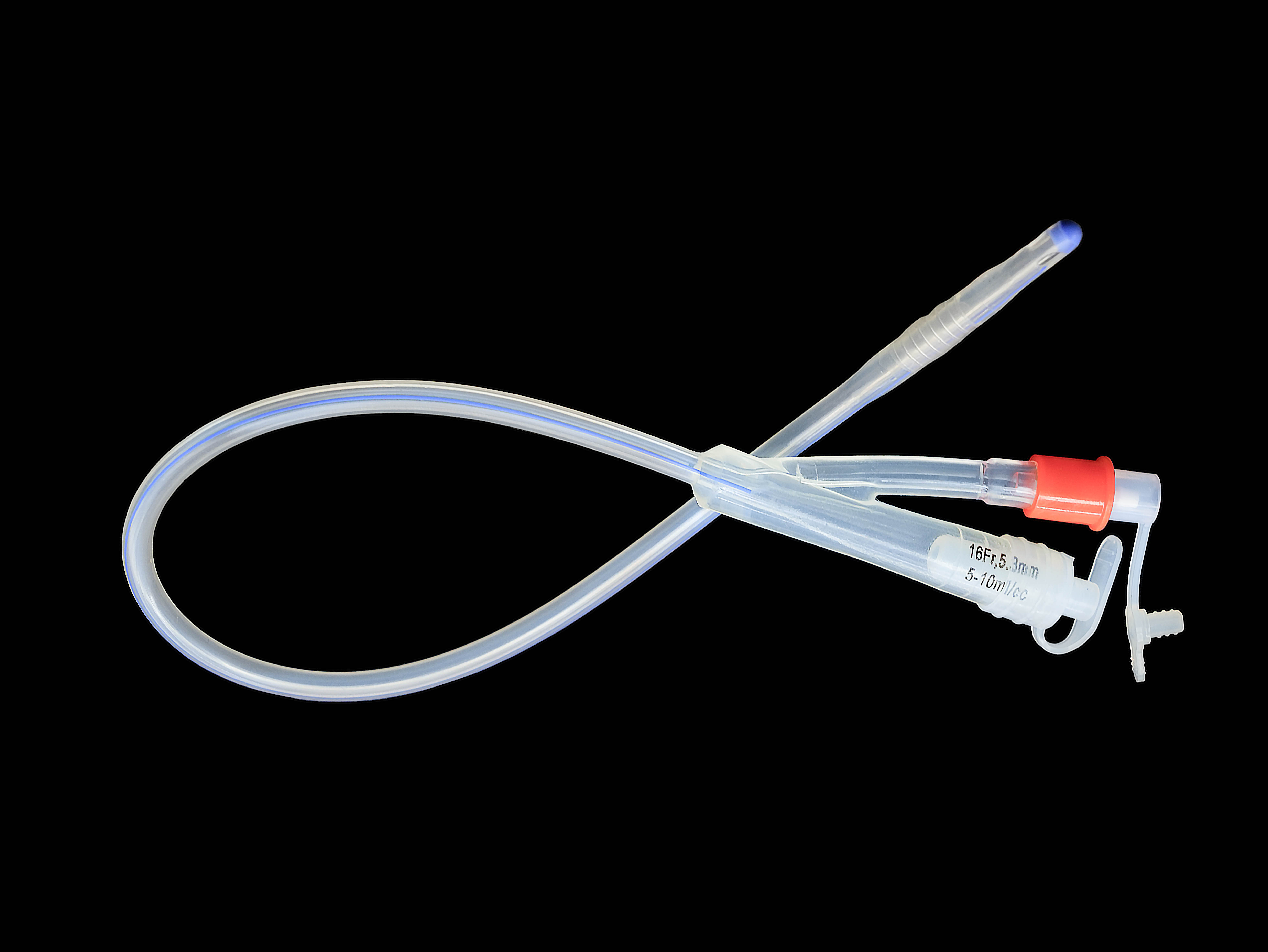
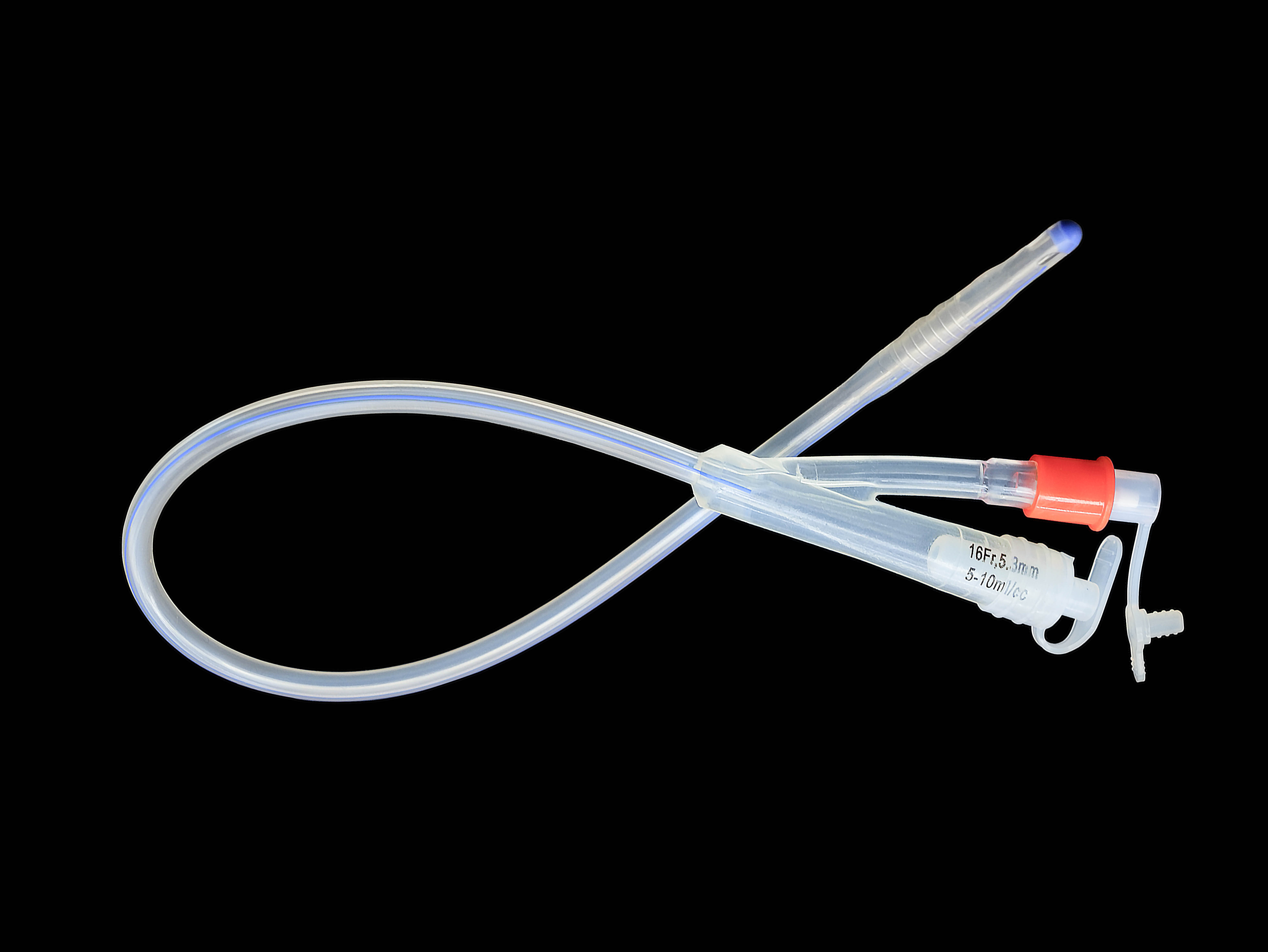
What is the function of disposable silicone catheter
source:www.villmen.com | Release time:2025年11月05日1. Core urinary function: solving urinary disorders
Drainage and retention of urine: for patients with dysuria and retention of urine caused by diseases, surgical anesthesia or trauma, the urine accumulated in the bladder can be led out by inserting a catheter to relieve abdominal pain and protect bladder function from damage.
Postoperative Urination Support: Used for patients who need to stay in bed for a long time after urological surgery (such as urethral repair surgery, bladder surgery), or other major surgeries (such as abdominal and orthopedic surgery) and cannot get up to urinate on their own, to ensure smooth urination during the postoperative recovery period and avoid affecting wound healing or causing complications.
2. Clinical diagnosis and monitoring: auxiliary medical evaluation
Monitoring urine output: In scenarios such as intensive care, shock, and burns, a urinary bag is connected through a catheter to accurately record the patient's hourly or daily urine output, helping doctors assess the patient's kidney function and fluid balance, and providing a basis for fluid replacement and medication.
Collecting urine samples: For patients who are unable to independently collect clean mid stream urine (such as comatose or paralyzed patients), urine can be directly extracted from the bladder through a catheter to obtain uncontaminated samples for urine routine, urine culture, and other examinations to assist in the diagnosis of urinary system infections and other diseases.
Bladder flushing channel: When patients experience bladder bleeding, infection, or require medication treatment, physiological saline or medication can be injected into the bladder through a catheter for flushing, cleaning, or local medication to achieve hemostasis and anti infection effects.
3. Special scenario adaptation: meet specific medical needs
Preoperative preparation: Before performing gynecological, urological, and other surgeries, empty the bladder through a catheter to avoid bladder filling during surgery that may affect the procedure or prevent surgical damage to the bladder.
Delivery assistance: used during the delivery process (especially cesarean section), emptying the bladder in advance can expand the surgical operation space and reduce the risk of intraoperative injuries; If postpartum difficulty in urination is caused by pelvic floor muscle relaxation and pain, a urinary catheter can also be used for short-term assistance in urination.
4. Material advantage: Enhance safety during use
Silicone material characteristics: Compared to rubber catheters, silicone material is softer and has better biocompatibility. It causes less damage to the urethral mucosa during insertion and can reduce discomfort such as urethral injury and pain; At the same time, silicone is resistant to aging and has strong stability, making it less likely to cause allergic reactions when left in the body for a short period of time (usually 1-2 weeks).
Disposable value: Each catheter is used once by a single patient and discarded directly after use, fundamentally avoiding cross infection caused by repeated use (such as urinary tract infections and sexually transmitted diseases), in compliance with clinical infection control standards.
prev:
What are the characteristics of the foreskin circ…
next:
Why is the circumcision stapler more commonly use…
【Related articles】
【Related products】

 Suzhou Weimeng Medical Equipment Co., Ltd
-
 Our service hotline:0512-51316666,18915600208
-
 Company address: Building 7, A3, No. 2 Jianye Road, Changfu Street, Changshu City, Jiangsu Province
-
 Contact email: villmen@163.com

 WeChat
 Contact
 Telephone